Where Mathematics Becomes Art
Every artwork in our gallery is generated from mathematical equations—formulas discovered by scientists, mathematicians, and pioneers of chaos theory. Here are some of the most significant.
The Lorenz System
The Discovery
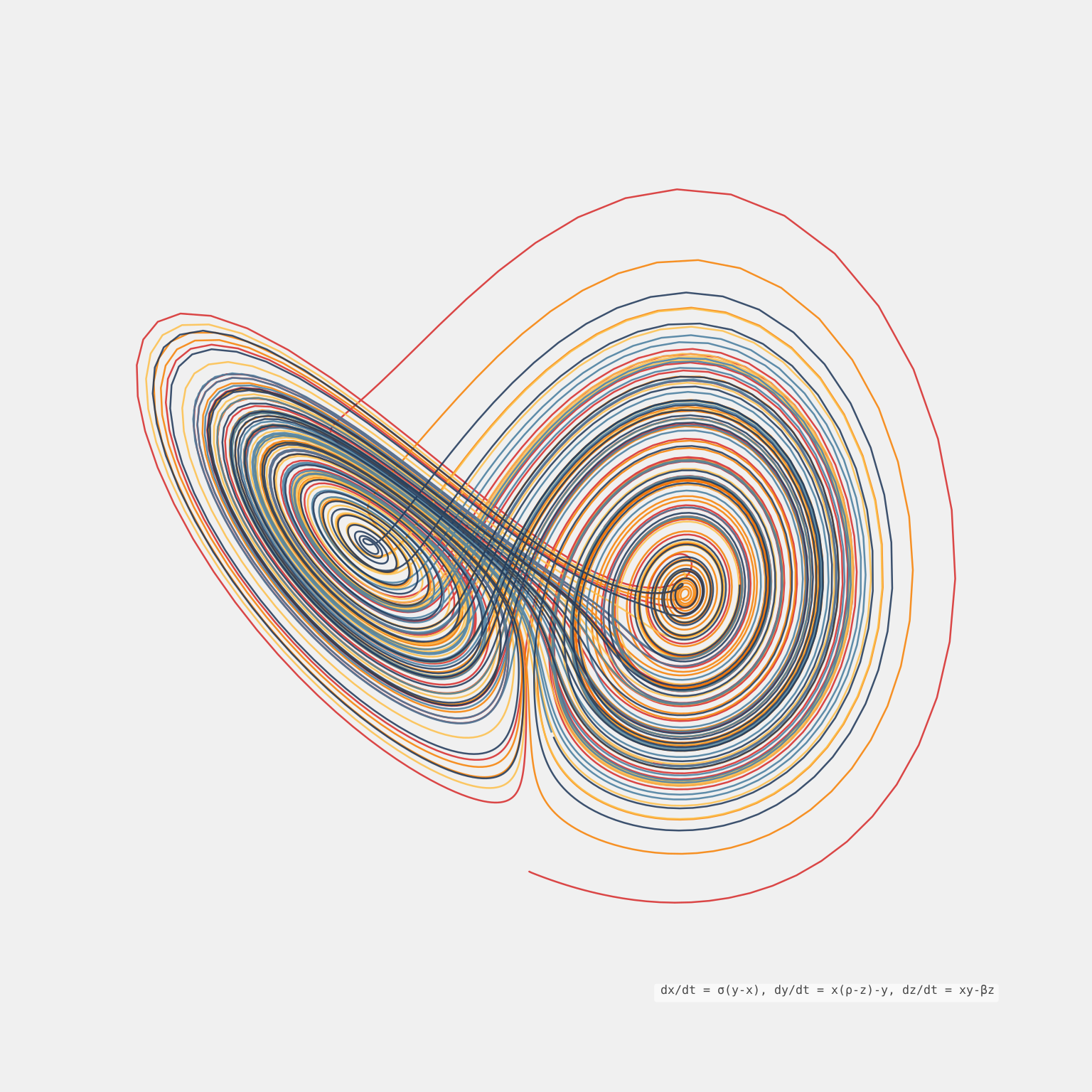
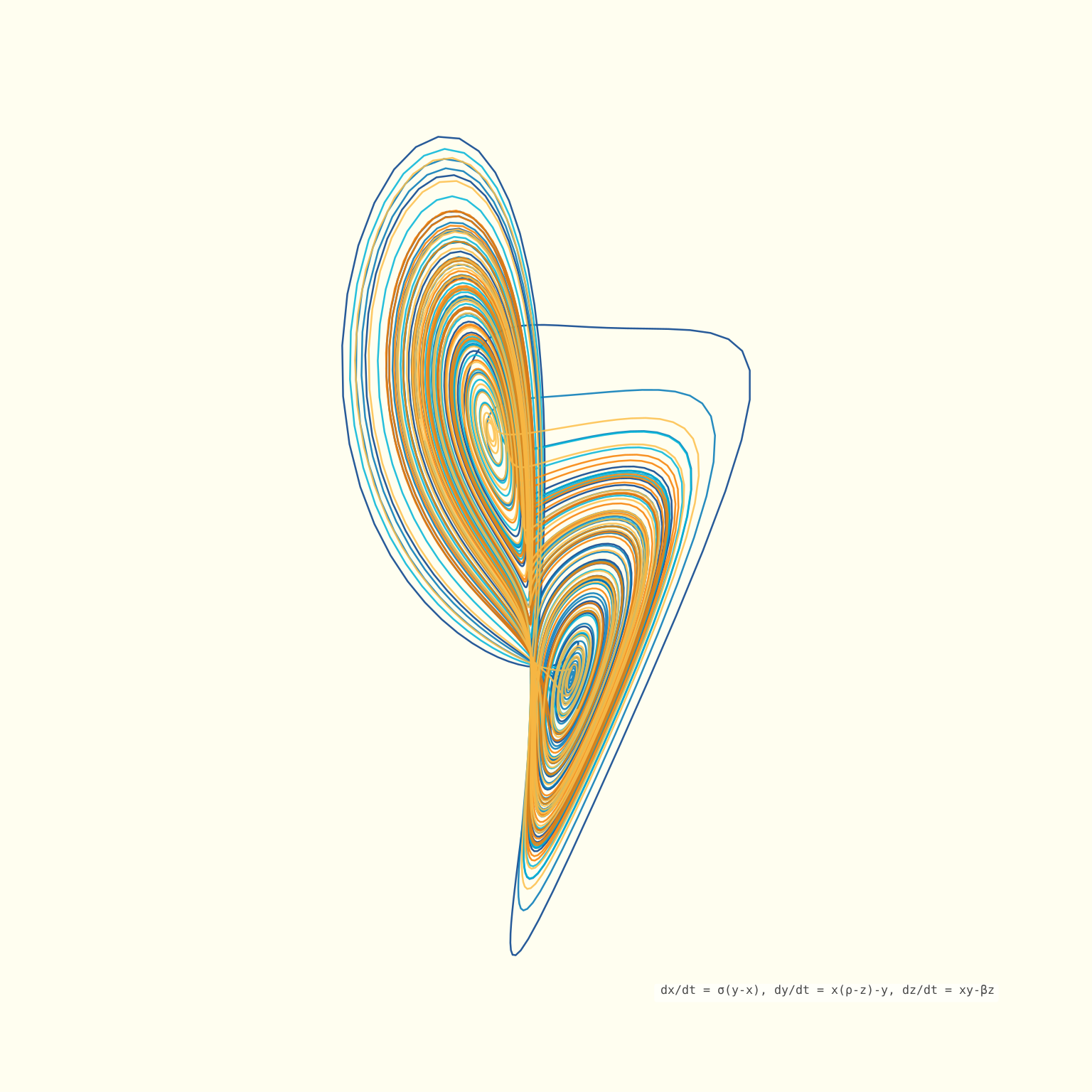
In 1963, MIT meteorologist Edward Lorenz was running weather simulations when he made a fateful shortcut—rounding a number from 0.506127 to 0.506. The result was completely different weather. This tiny change led to the discovery of deterministic chaos and the famous "butterfly effect."
The Story
The butterfly-shaped attractor that emerged from his equations became the icon of chaos theory. It shows that even simple, deterministic systems can be fundamentally unpredictable. The shape you see is actually a single continuous line that never crosses itself and never repeats.
Available as Prints
The Rössler System
The Discovery
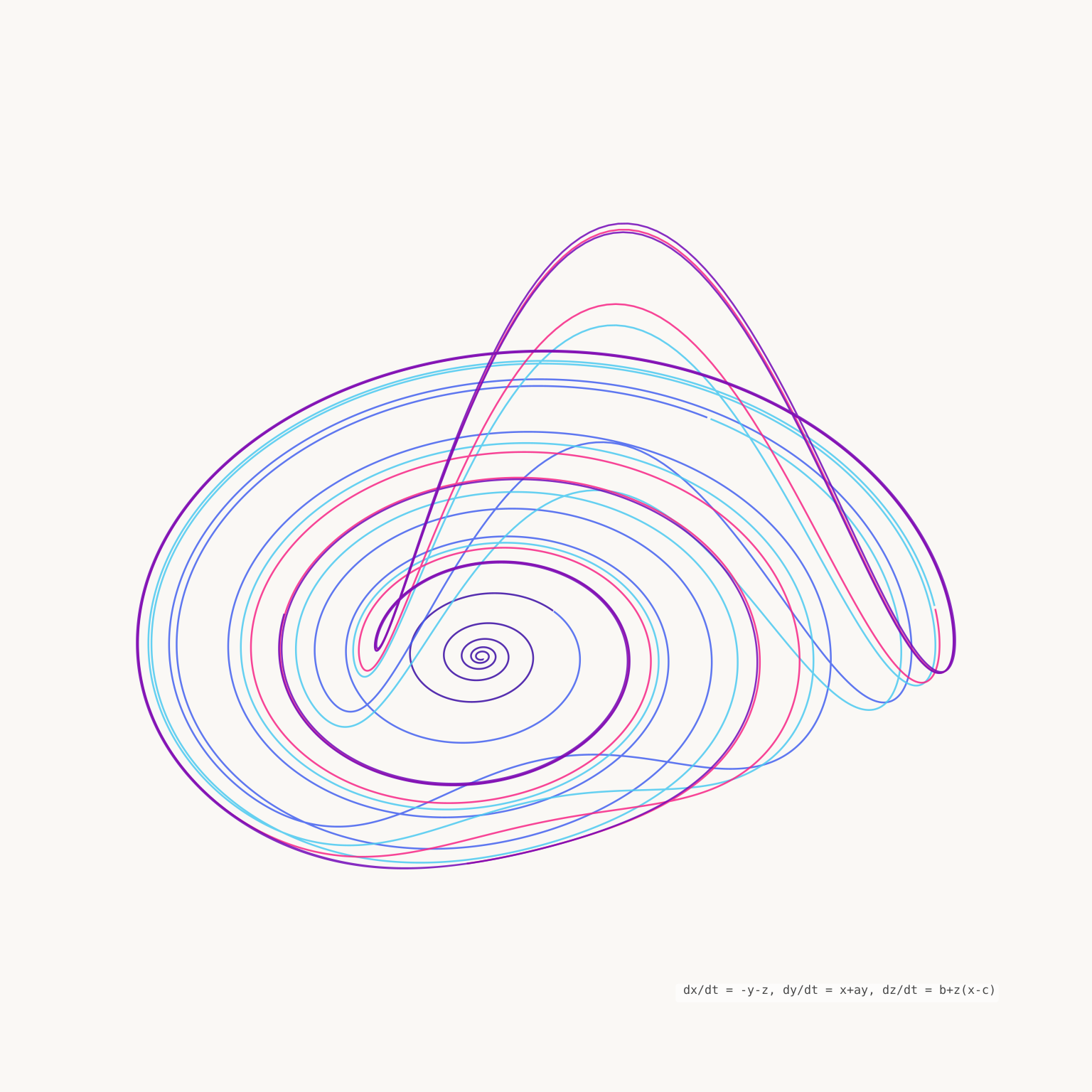
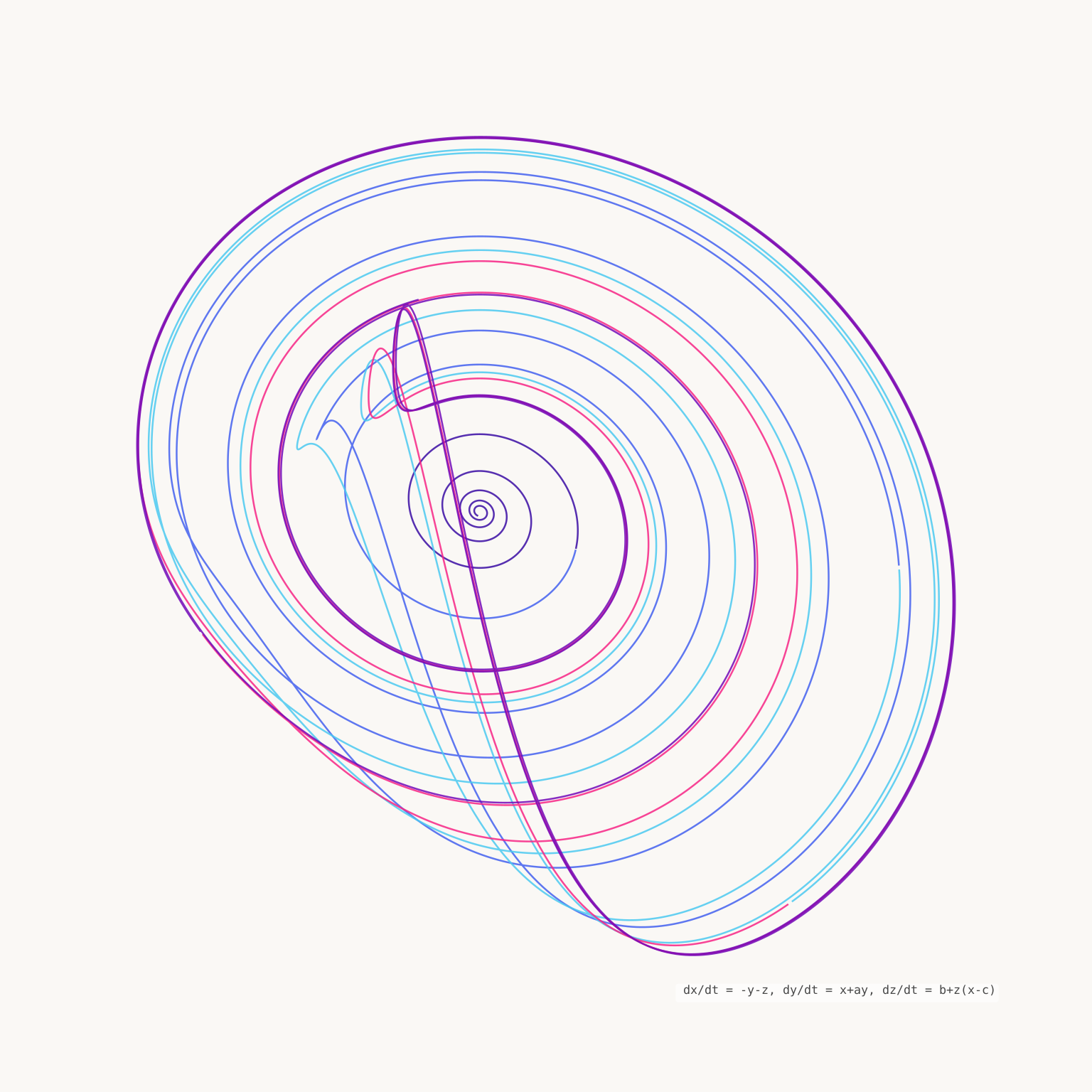
Otto Rössler set out to find the simplest possible system that could produce chaos. He succeeded—these three equations with just one nonlinear term (xz) create a beautiful folding attractor.
The Story
The Rössler attractor demonstrates that chaos doesn't require complexity. A single nonlinear term is enough. The system spirals outward on a plane, then folds back through a third dimension, never quite repeating. It's chaos distilled to its essence.
Available as Prints
Spherical Harmonics
The Discovery
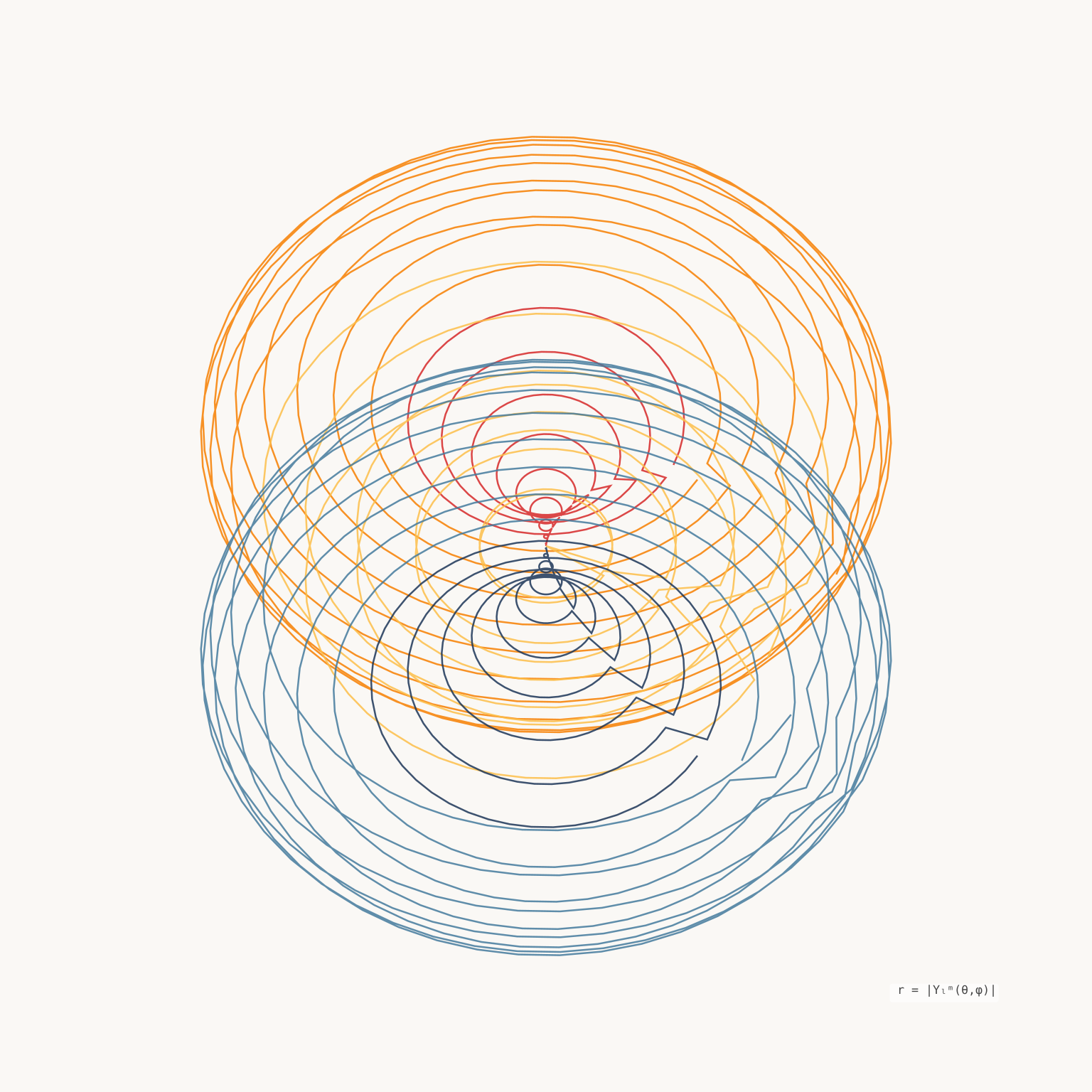
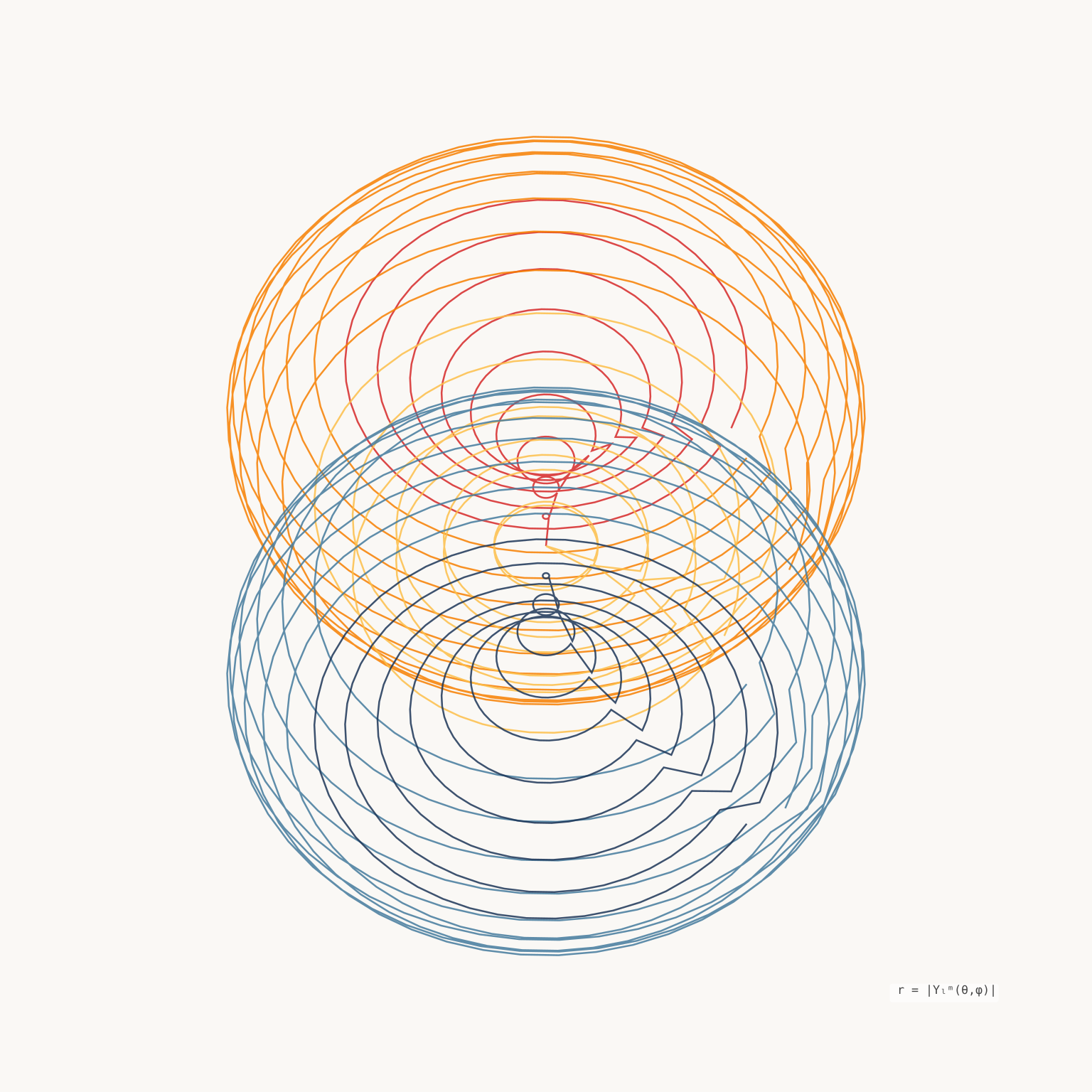
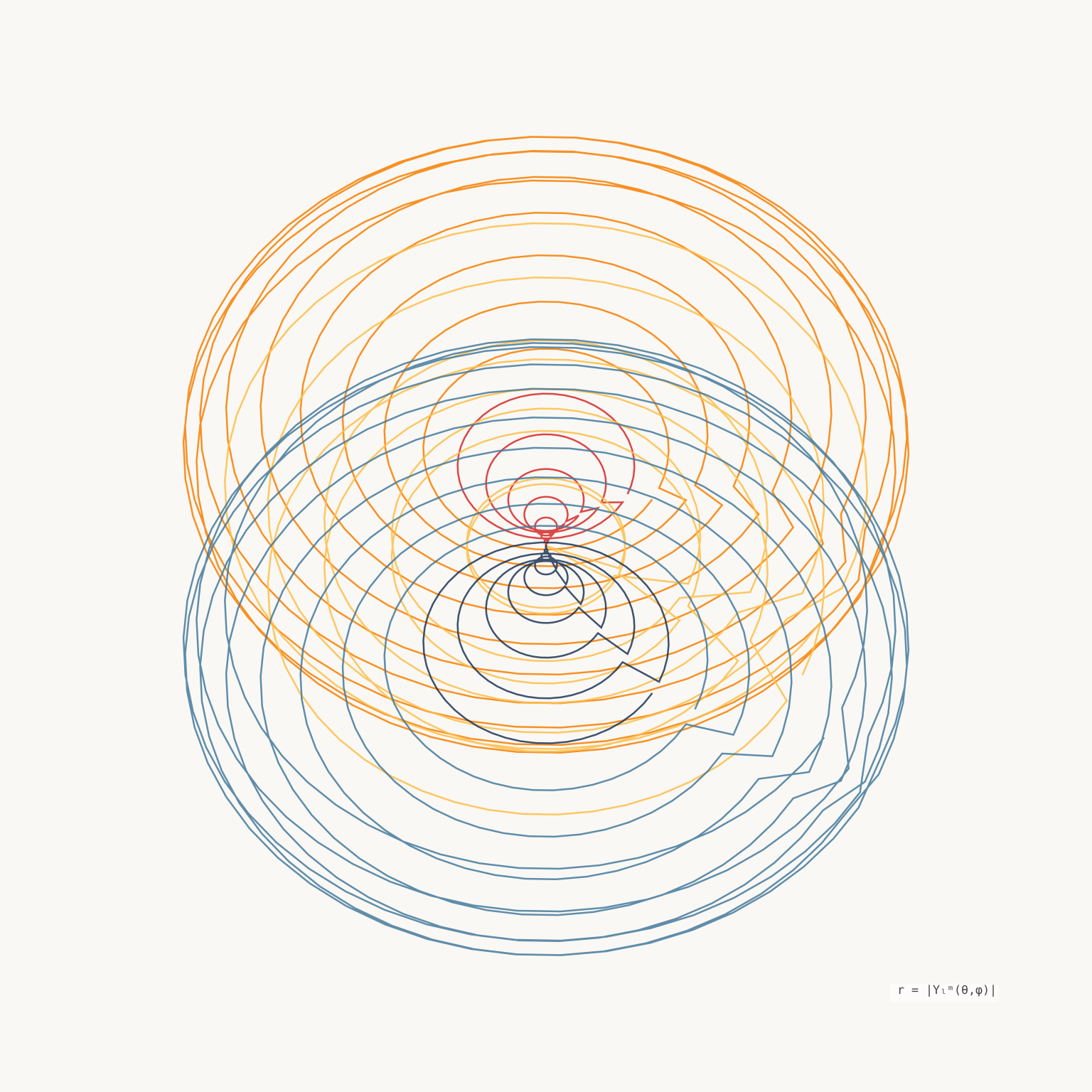
These functions describe how things vary on the surface of a sphere. In quantum mechanics, they define the angular shapes of electron orbitals—the fundamental architecture of all atoms.
The Story
When Schrödinger solved his equation for the hydrogen atom in 1926, spherical harmonics emerged naturally. The s, p, d, f orbitals you learn in chemistry are spherical harmonics with different quantum numbers. Every element in the periodic table owes its chemistry to these shapes.
Available as Prints
The Golden Spiral
The Discovery
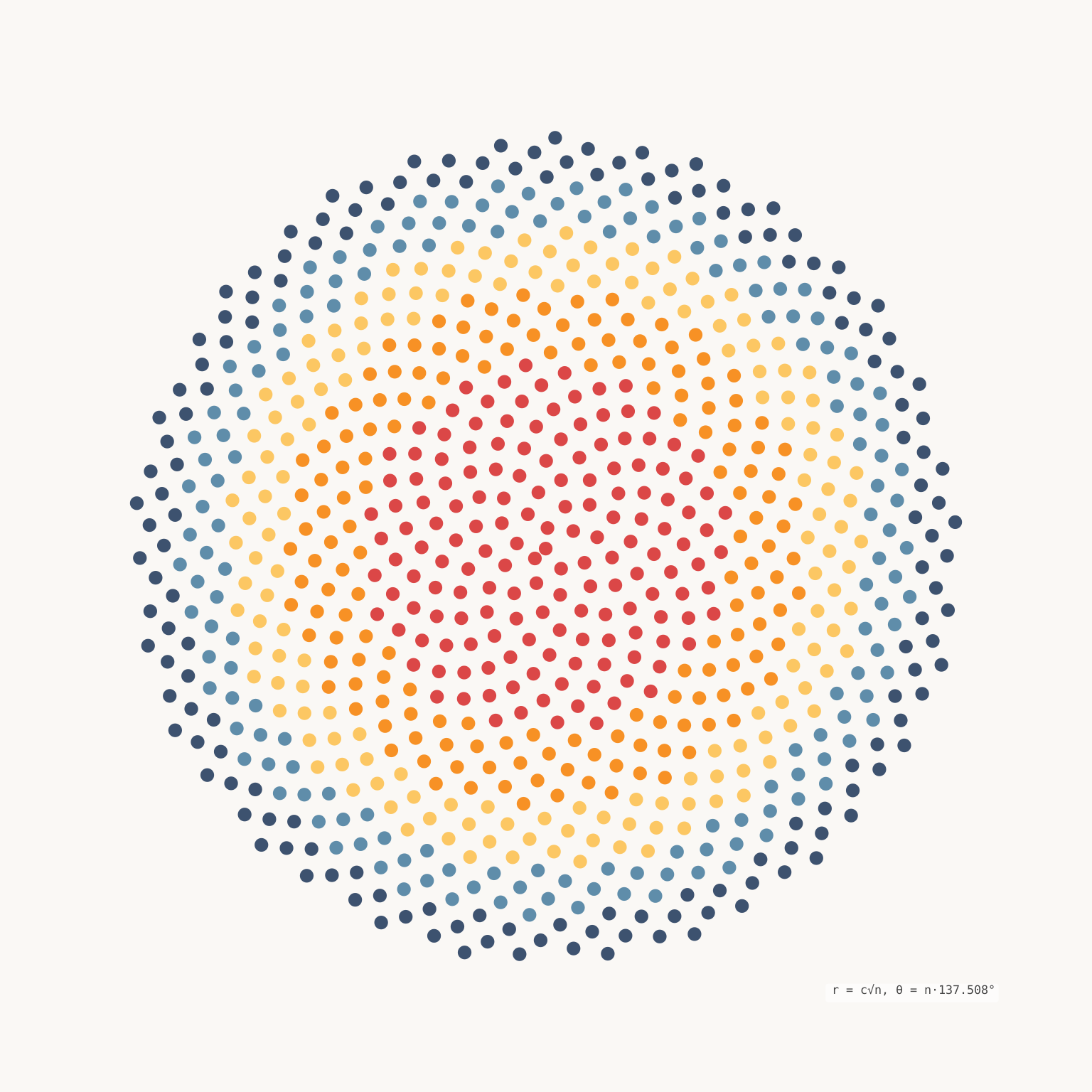
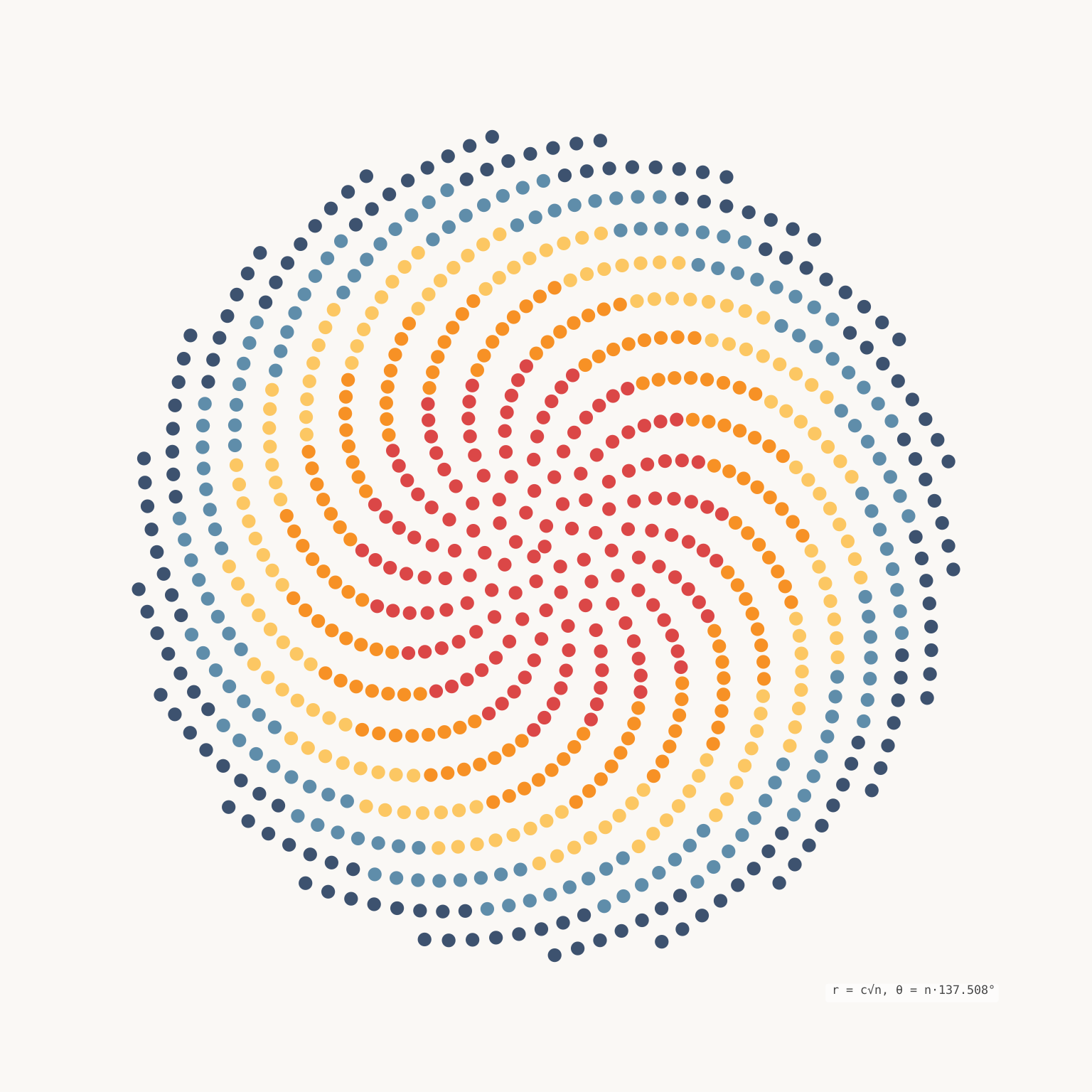
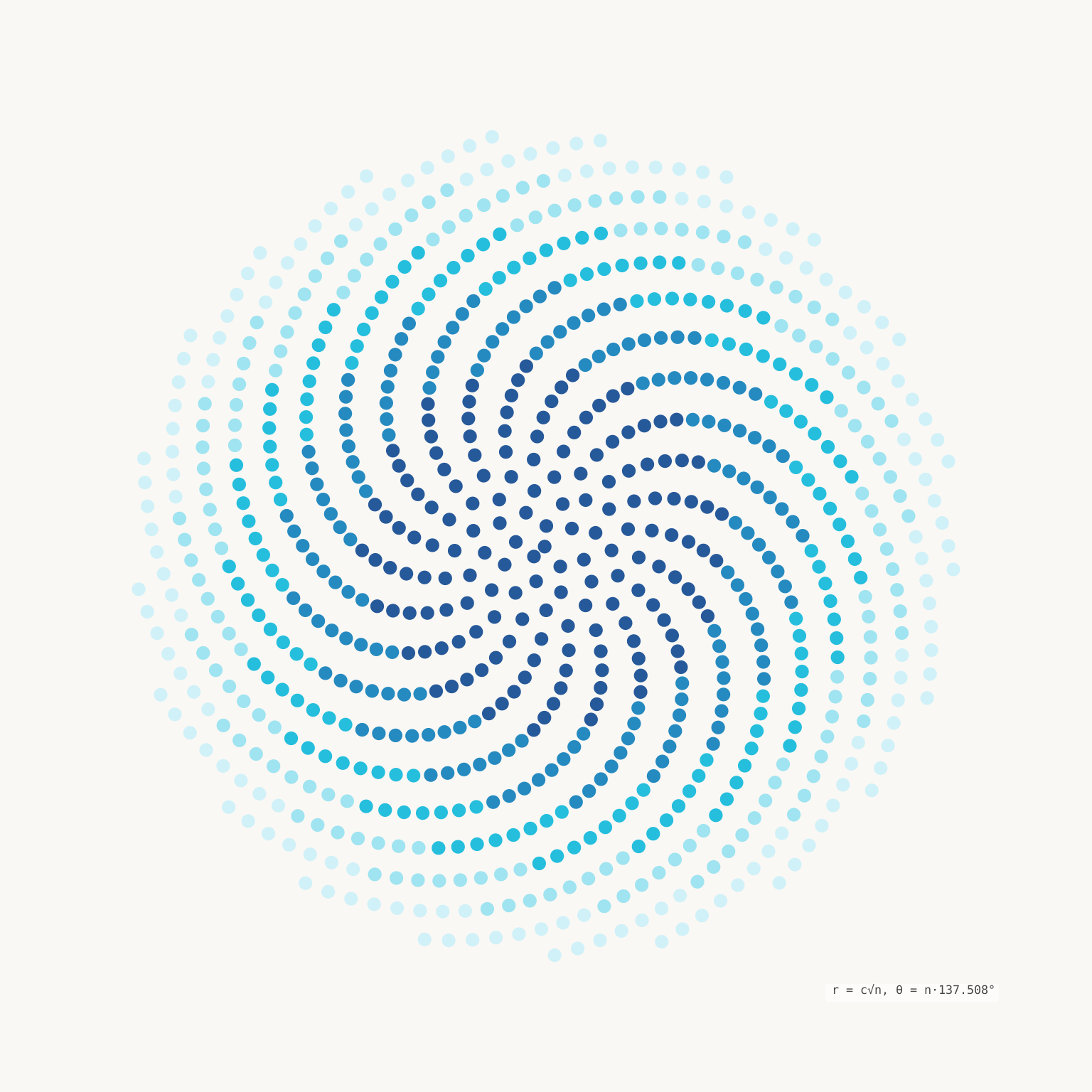
The golden angle (137.5°) appears throughout nature because it's the most irrational angle—the one that most evenly distributes points around a circle without creating obvious spokes.
The Story
Sunflowers, pinecones, pineapples, and cacti all arrange their seeds and scales using the golden angle. It's not mysticism—it's optimization. This angle maximizes packing efficiency and sunlight exposure. Nature discovered calculus before we did.
Available as Prints
Reaction-Diffusion
The Discovery
In his final major work, Alan Turing proposed that animal patterns emerge from two chemicals that react with each other while diffusing at different rates.
The Story
Turing's 1952 paper "The Chemical Basis of Morphogenesis" explained zebra stripes, leopard spots, and fingerprint whorls using mathematics. Two morphogens—an activator and an inhibitor—create stable patterns spontaneously. This was Turing's gift to biology: the mathematics of life's patterns.
Available as Prints



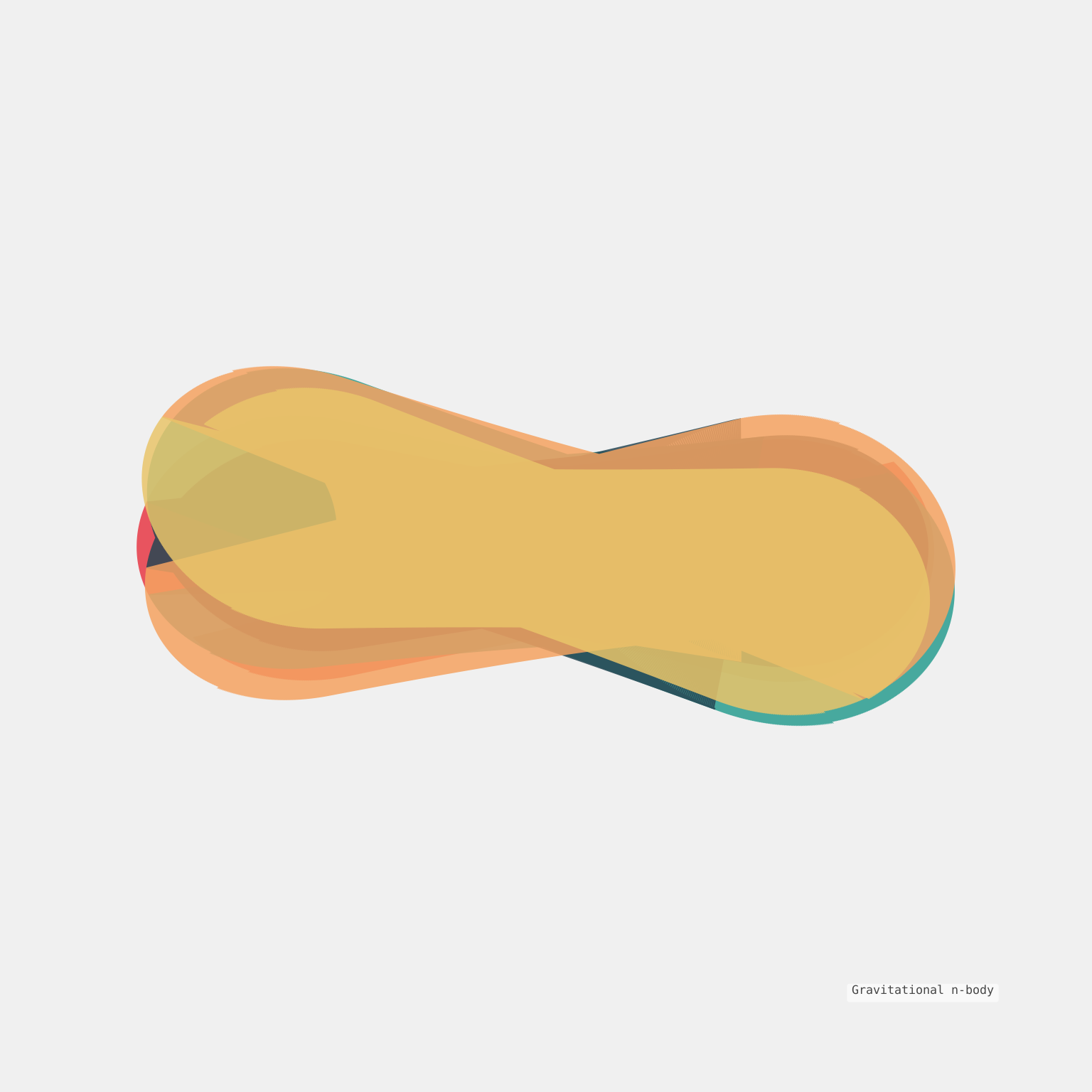
The Three-Body Problem
The Discovery
Newton solved the two-body problem exactly. But add a third mass, and the equations become unsolvable in closed form—one of the oldest open problems in physics.
The Story
Henri Poincaré proved in 1890 that most three-body configurations are chaotic—no formula can predict their long-term behavior. This discovery founded the field of dynamical systems. Every solar system with three or more bodies lives in this chaotic regime.
Available as Prints
Hilbert Curve
The Discovery
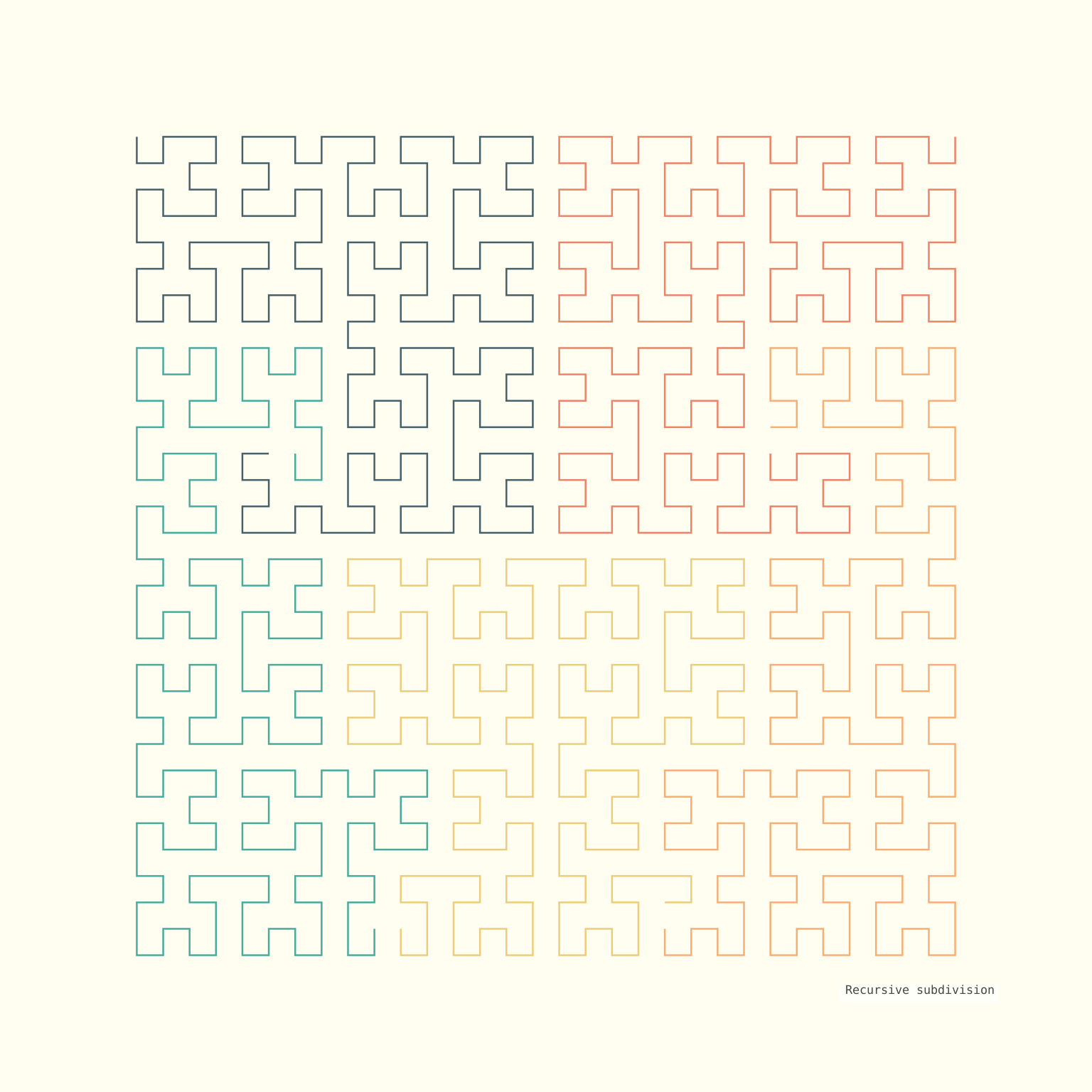
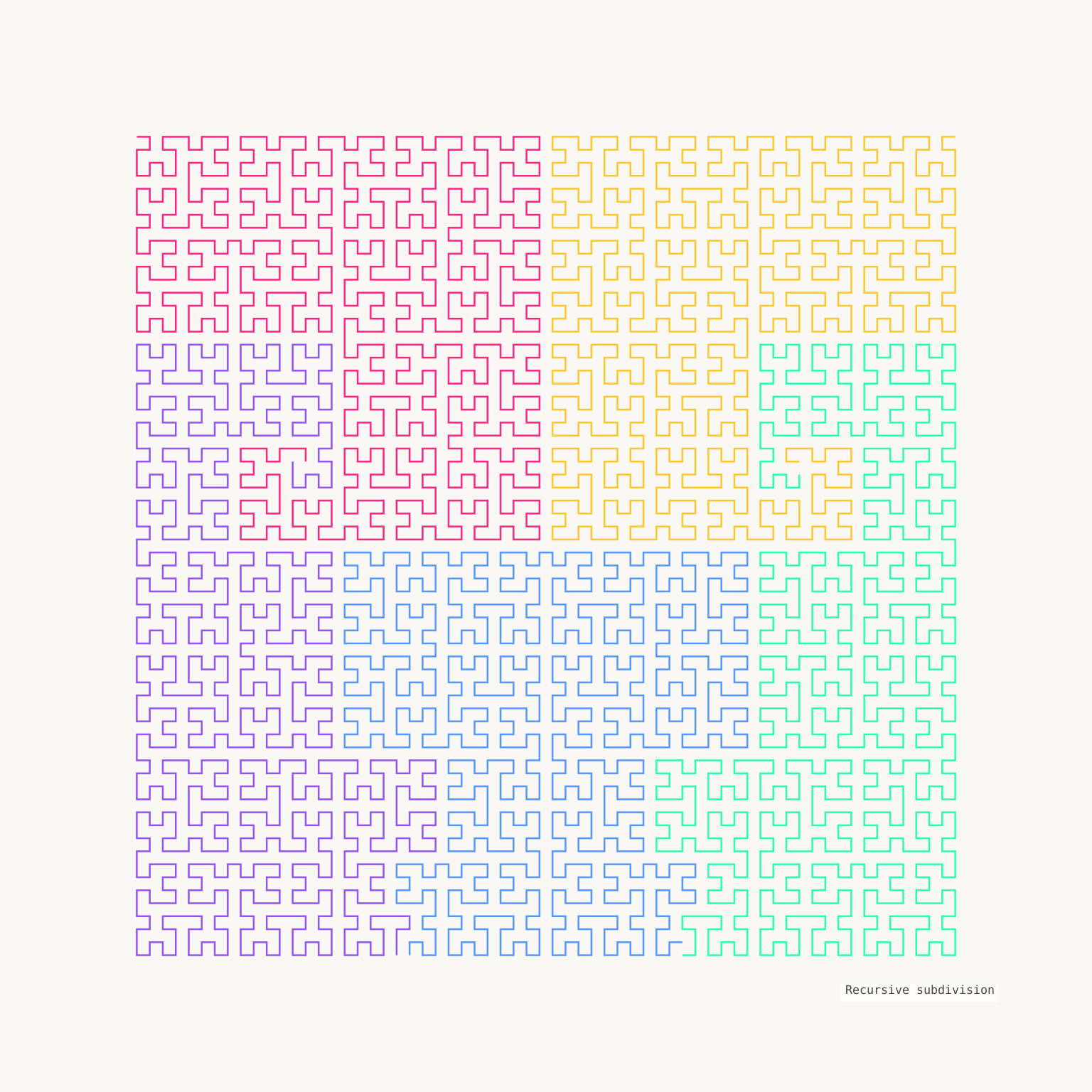
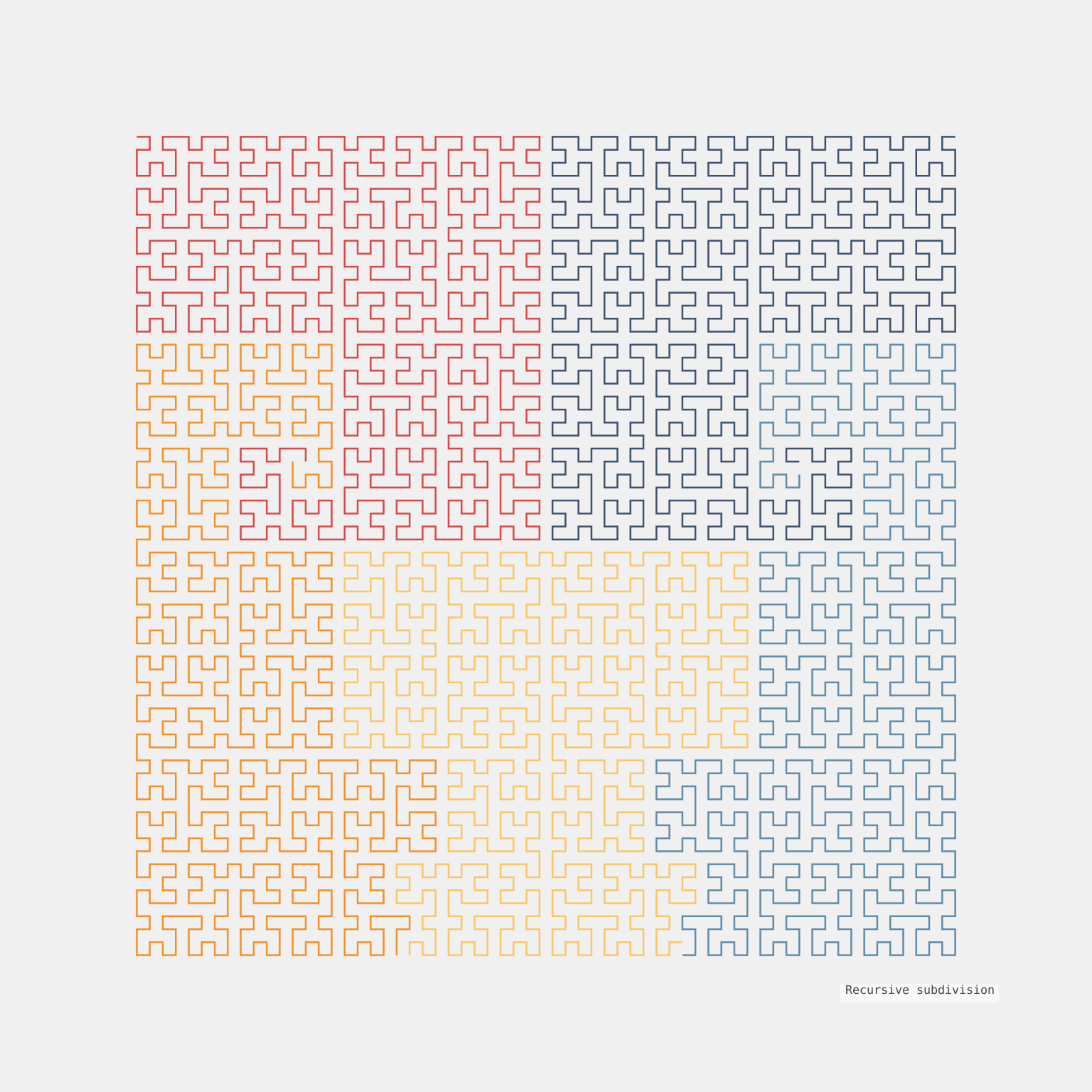
A one-dimensional line that passes through every point in a two-dimensional square. This seemingly impossible object challenged 19th-century notions of dimension.
The Story
Hilbert constructed his curve as a limit of increasingly complex recursive patterns. Each iteration doubles the detail while maintaining continuity. In the limit, the curve visits every point in the unit square—a line becomes a plane. Today, Hilbert curves are used in database indexing and image processing.
Available as Prints
Own a Piece of the Mathematics
Every equation above is available as a canvas, paper, or metal print. Bring the beauty of mathematical discovery into your space.
View Prints & Pricing